
Halo Voice Actor Steve Downes Opposes AI Replication of Master Chief’s Iconic Voice

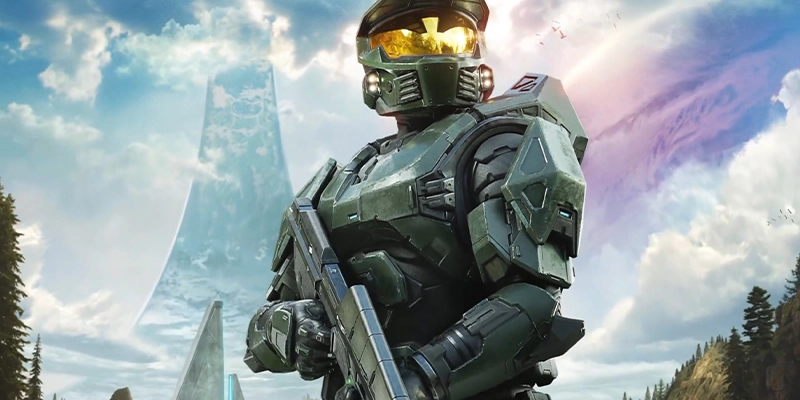
In an era where artificial intelligence is reshaping creative industries, what boundaries should protect the human elements that make gaming memorable?
Steve Downes Raises Alarms on AI Voice Imitation in Gaming
Steve Downes, the longtime voice actor for Master Chief in the Halo franchise, has publicly stated his reluctance to see AI technologies replicate his distinctive voice. Speaking in a recent interview, Downes emphasized the personal and professional significance of his role, which has spanned over two decades. Downes has provided the voice for Master Chief since the original Halo: Combat Evolved, released in 2001. His gravelly, stoic delivery became synonymous with the character’s portrayal as a super-soldier battling alien threats in Microsoft’s flagship sci-fi shooter series. The Halo games have sold more than 81 million copies worldwide as of 2023, according to industry reports, underscoring the cultural impact of Downes’ contribution.
Downes' Stance and Key Quotes
Downes articulated his position clearly, highlighting ethical concerns about consent and authenticity.
"I've poured my heart into Master Chief's voice for years. It's not just lines—it's a part of me. I don't want AI to just copy that without my say-so," Downes said.
He further elaborated on the potential loss of artistic integrity:
"AI can mimic, but it can't feel the weight of the story like a human actor. Replicating my voice could cheapen what we've built."
These comments come amid growing use of AI tools in game development, including voice synthesis for non-player characters. While Downes did not specify a particular project, his remarks align with broader discussions in the industry about protecting performers’ rights. No direct involvement with AI in upcoming Halo titles, such as the anticipated Halo: Campaign Evolved set for 2026, was confirmed in his statements.
- Historical Context: Voice acting in gaming evolved from basic sound clips in the 1990s to sophisticated performances in modern titles. Downes’ role exemplifies this shift, with Master Chief’s minimal dialogue emphasizing subtlety over verbosity.
- Industry Statistics: A 2024 survey by the Screen Actors Guild indicated that 62% of performers worry about AI displacing jobs, particularly in voice work. Gaming, valued at $184 billion globally in 2023, increasingly integrates AI for efficiency.
- Uncertainties: Specific plans for AI in Halo: Campaign Evolved remain unverified; developer Halo Studios has not commented on voice technology implementations.
Broader Implications for Voice Actors and Game Development
The gaming sector faces mounting pressure to balance innovation with performer protections. Organizations like the Video Game Actors Union have advocated for regulations requiring consent for AI voice cloning, citing cases in other media where synthetic voices led to legal disputes. Halo Studios and publisher Microsoft Studios continue to develop the series, with Halo: Campaign Evolved promising enhanced multiplayer features like online co-op and cross-platform play across PC, PlayStation, and Xbox. The game includes genres such as first-person shooter and science fiction, building on the franchise’s legacy.
- Societal Impact: Downes’ concerns reflect wider debates on AI ethics, potentially influencing labor laws. In gaming, where character voices drive immersion, unauthorized replication could erode trust between developers and fans.
- Developer Perspectives: Industry experts note that while AI speeds up production—reducing voice recording time by up to 40% in some projects—human nuance remains irreplaceable for iconic roles.
As AI advances, what safeguards will ensure voice actors like Downes retain control over their legacies in gaming?