
InnAIO T10 AI Translator Faces Scrutiny Over Functionality Claims

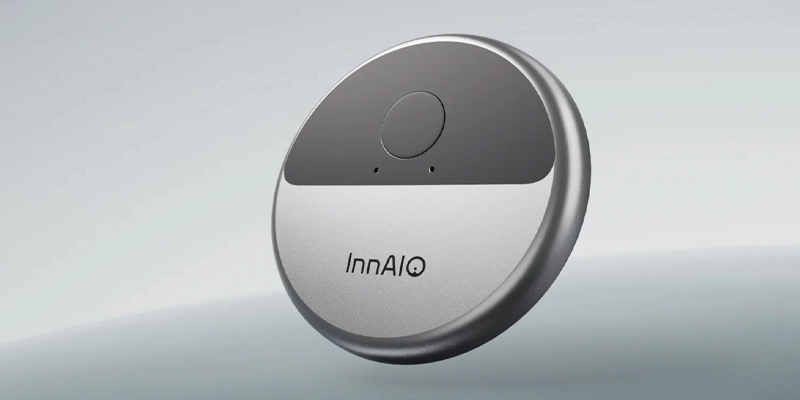
In the crowded market for AI-powered gadgets, can a simple magnetic puck truly revolutionize real-time translation, or is it just a button masquerading as innovation?
Warnings Emerge Over InnAIO T10 AI Translator
The InnAIO T10, a $190 AI translator device from the Chinese hardware company InnAIO, has drawn criticism for potentially misleading users about its capabilities. Marketed as a compact puck that magnetically attaches to smartphones, the T10 promises to handle translations across 130 languages using advanced AI models. However, testing reveals significant limitations that question its standalone value.
Device Features and Claims
The T10 is designed to initiate translations by pressing a button on the puck, which connects via Bluetooth to a companion app on the user’s phone. Key advertised features include:
- Real-time speech-to-text and text-to-speech translation, with output displayed in the app and played through the phone’s speakers.
- Voice cloning technology that mimics the speaker’s tone in the translated language, a capability similar to features in Google’s Pixel 10 smartphone released earlier in 2025.
- Integration with OpenAI’s GPT-5 and Meta’s Llama models for processing, though specifics on where computation occurs are unclear.
InnAIO positions the T10 as an enhancement for cross-app translation, allowing users to speak or have others speak while the device records and processes input. Promotional materials depict the puck being held to the mouth or placed on a table to capture conversations, suggesting built-in audio capture. An upcoming software update, expected by the end of December 2025, aims to add offline translation support directly within the app, even without an internet connection. This would expand usability beyond current requirements for phone-based internet access.
Identified Shortcomings and Uncertainties
Independent testing highlights several issues with the T10’s performance and hardware:
- Lack of Built-in Microphone: The device does not independently capture audio. Audio pickup relies entirely on the phone’s microphone, even when the puck’s button is pressed. Tests showed no recording when the phone’s mic was covered or permissions revoked, resulting in app errors prompting users to enable phone mic access.
- Dependency on Phone Resources: The T10 requires the app to be open and the phone connected via Bluetooth. It functions only within Bluetooth range and cannot operate standalone. This raises uncertainty about on-device processing—while translations appear accurate in tests, they likely occur via cloud services through the phone, not the puck itself (flagged as unverified by InnAIO).
- Size and Comparison: At a compact size, the T10 contrasts with larger competitors like Timekettle’s X1 AI Interpreter Hub, which supports offline use and independent recording. The T10’s minimal hardware suggests it may primarily serve as an app trigger rather than a self-contained gadget.
These limitations echo broader challenges in the AI gadget sector. Past devices, such as Humane’s AI Pin (priced at $700 with a $24 monthly subscription), failed to deliver promised features and led to the company’s acquisition by HP. Similarly, Rabbit’s R1 has struggled with market adoption, and ongoing projects like the AI computer from OpenAI’s Sam Altman and Jony Ive face development hurdles.
"You need to give the InnAIO T10 app access to your phone’s microphone, or it simply doesn’t work—at all—which suggests to us either there are no real mics inside of the T10 or the feature doesn’t exist… yet."
Company Response and Market Context
InnAIO’s representatives have acknowledged issues but provided limited details. In response to inquiries about the device’s functionality, one stated:
"Regarding the product review, if your experience isn’t positive, we completely understand and kindly ask that it not be published. Thank you for your time and understanding."
A third-party representative added:
"As the product isn’t fully ready and needs further improvements, we’ve paused collaboration with InnAIO for now."
Another clarified the device’s role:
"Its primary strength lies in enabling cross-application translation, which is initiated directly through the device and works seamlessly with its supported app."
Despite these statements, InnAIO has not halted sales of the T10. The company plans to enhance offline features, but no timeline beyond the December update has been confirmed. In a market where AI translators like Google Translate offer free, reliable alternatives via smartphones, the T10’s value remains questionable for users seeking independent hardware. How do you view the future of compact AI translators like the T10—essential tools or unnecessary add-ons in an app-dominated world?